Retail direct mail has moved beyond “send a postcard with a coupon.” The brands getting consistent lift are treating mail as a programmable channel — automated, integrated, and optimized just like paid media.
Below are higher-level tactics showing real performance gains across retail in the past year.
1. Trigger-Based Mail Beats Batch Campaigns
High-performing retailers are shifting away from calendar-based drops and into event-driven mail automation.
Instead of “monthly promo postcard,” they’re triggering sends based on:
-
Cart abandonment
-
Category browsing behavior
-
Loyalty tier upgrades
-
60–120 day inactivity windows
-
In-store visit frequency drops
Example:
Several DTC retail brands now deploy cart abandonment postcards within 5–7 days of online abandonment. These campaigns consistently outperform batch promo drops by 2–3x in conversion rate because intent is still fresh.
Why it works:
You’re intercepting customers mid-decision cycle instead of blasting offers after interest has cooled.
2. Household-Level Modeling Is Replacing ZIP Code Targeting
Serious retail mailers have largely moved beyond radius targeting and demographic overlays.
Instead, they’re using:
-
Household purchase modeling
-
Lookalike audiences built from top 20% lifetime value customers
-
Propensity scoring tied to past SKU-level behavior
Example:
National specialty retailers are now suppressing bottom-tier “coupon-only” buyers and reallocating budget to high-margin buyer segments. Result: lower response volume but higher profit per mail piece.
Why it works:
Raw response rate is no longer the KPI. Contribution margin per household is.
3. Offer Architecture Is Getting Smarter (Not Just Bigger Discounts)
Top retail teams are structuring offers based on customer lifecycle stage:
-
First-time buyers: Low-friction entry offers (free shipping, small gift)
-
Repeat buyers: Bundles and threshold incentives
-
VIPs: Early access and exclusivity over discounts
-
Lapsed customers: Escalating incentive ladders across multiple touches
Example:
A multi-touch reactivation flow might look like:
-
Touch 1: Reminder postcard + free shipping
-
Touch 2: 10% incentive + product recommendations
-
Touch 3: Higher-value offer only if no engagement
This staged approach outperforms one-off “20% off everything” blasts.
Why it works:
You preserve margin while still nudging behavior.
4. Retailers Are Designing Mail for Scan Behavior, Not Reading
Eye-tracking and engagement studies have changed how winning retail mail pieces are being laid out.
High-performing formats now prioritize:
-
One dominant visual product hero
-
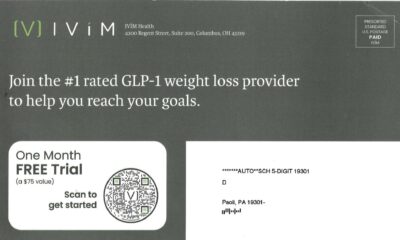
Clear hierarchy with only one primary CTA
-
QR codes placed in natural thumb zones
-
Minimal copy blocks
Example:
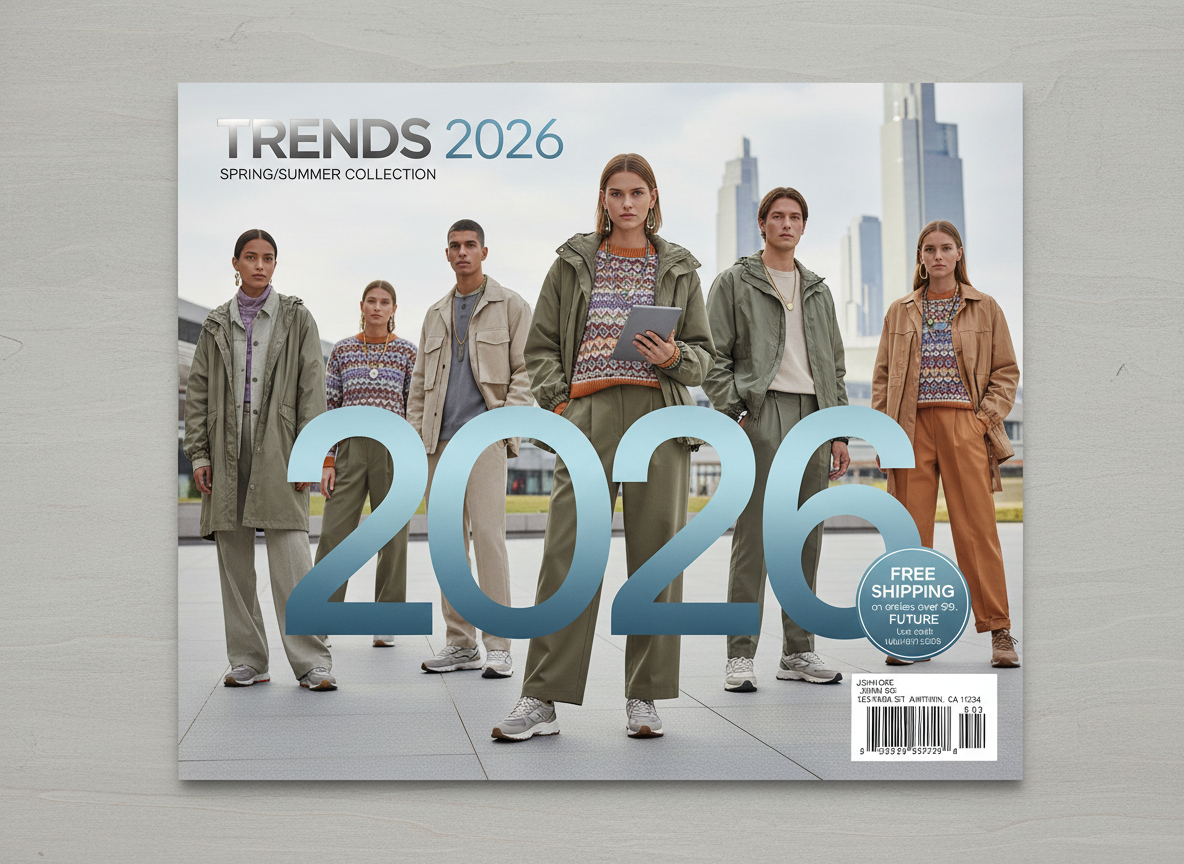
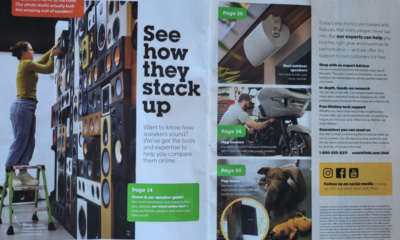
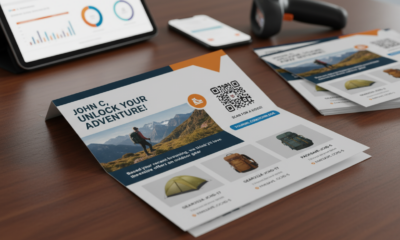
Brands using “catalog-lite” postcard layouts — large product imagery with scannable product grids — are seeing higher engagement than dense copy-driven designs.
Why it works:
Mail is now consumed like social feeds: fast, visual, and skimmable.
5. Attribution Has Moved Past Promo Codes
Retailers serious about scale are combining:
Example:
Some retail brands now run geographic holdout tests where select ZIP clusters receive no mail. The revenue delta between mailed vs non-mailed areas gives a truer incrementality read — often revealing mail-driven lift that promo codes alone miss.
Why it works:
It prevents under-crediting direct mail when customers convert later through organic or branded search.
6. Print Providers Are Becoming Strategy Partners (Not Just Vendors)
Forward-thinking mail service providers are winning retail accounts by offering:
-
Data hygiene and deduplication
-
Postal optimization modeling
-
Versioning logic for creative
-
In-home date forecasting tied to retail promotions
Retailers increasingly want partners who can help orchestrate timing, not just execute jobs.
Why it works:
Operational efficiency and speed to mailbox now directly impact campaign profitability.
What This Means for Retail Marketers
The retailers winning with direct mail right now are:
-
Automating mail like digital ads
-
Optimizing for profit, not raw response
-
Treating creative as UX, not decoration
-
Measuring incremental impact — not vanity metrics
Mail is no longer a “support channel.” It’s becoming a performance channel again.